Curated Tours
We curate our tours with two main goals in mind:
1 -Making sure that your journey through Chile and the South Andes becomes a rich and informative experience as you tour with a scholarly bilingual guide.
2—Flexibility and fun. All travelers have different interests and needs. This exclusive journey is designed for up to 6 travelers who seek substance and engaged connections with Chile’s geographic, historic, and cultural landscapes. We strive to create a customized agenda that adapts to your preferences. Do you want to know more about Chile’s legendary poetic scene (Neruda, Mistral, Parra, de Rokha, to name a few)? Heard about Chile’s spectacular wine scene? Or perhaps you are curious about the echoes of the Nueva Canción movement? We can tweak the overall trip’s structure to incorporate your particular interests.
Previous
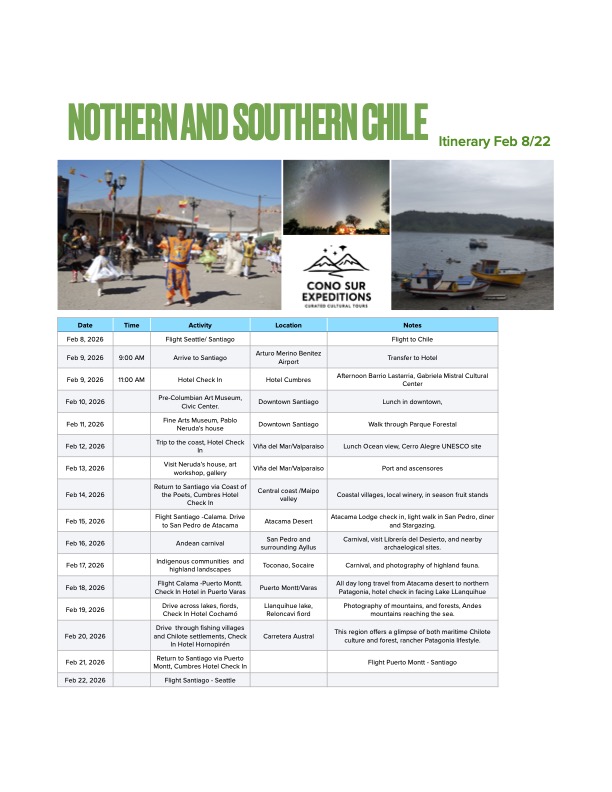
Itinerary February 8-22
Below is our previous itinerary and agenda. This itinerary can be adapted to your interests and preferences. This program combined field exploration, cultural immersion, and nightly scholarly soirees to weave the experiences together with readings and discussions.
Report: February 2026
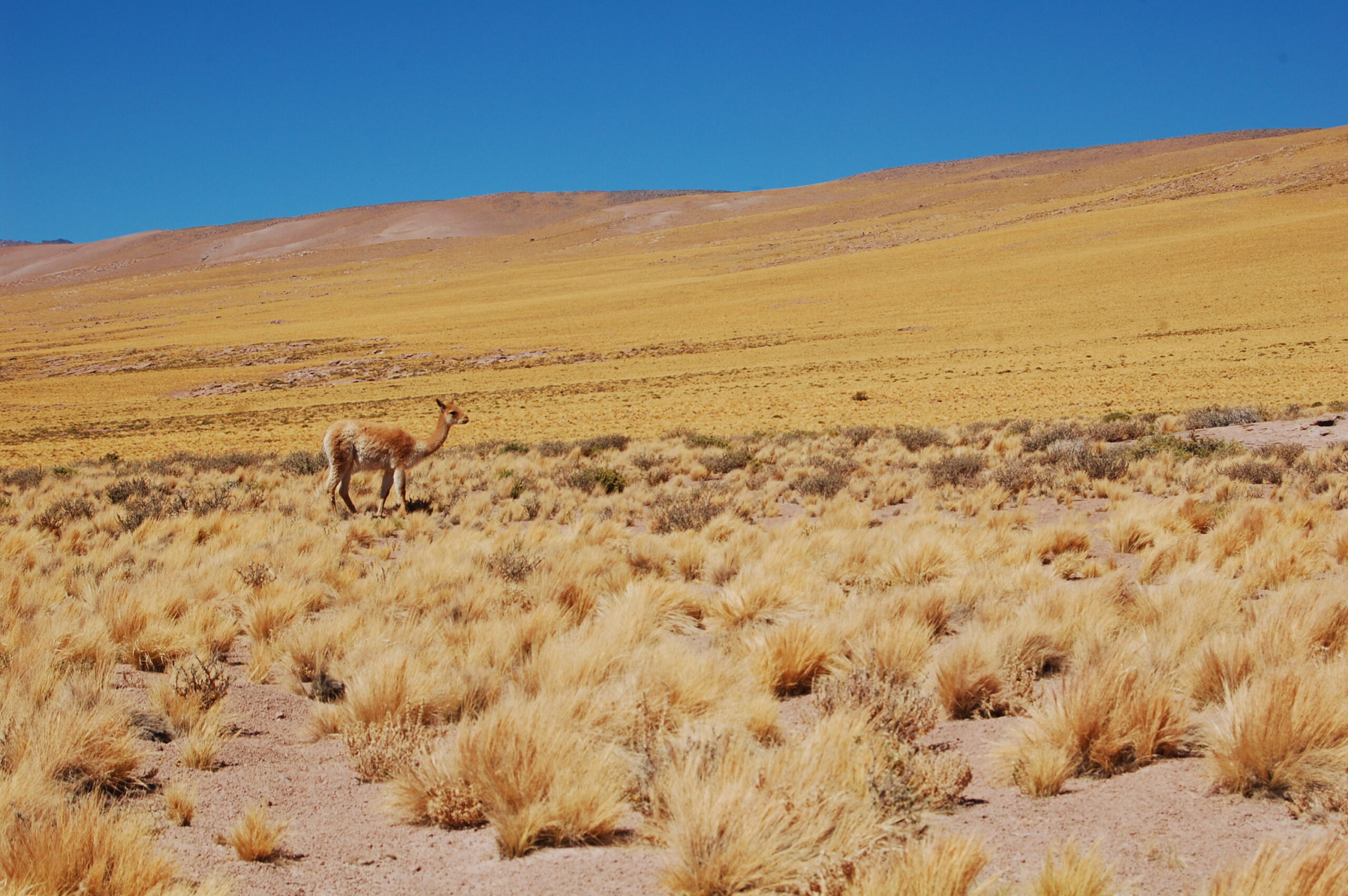
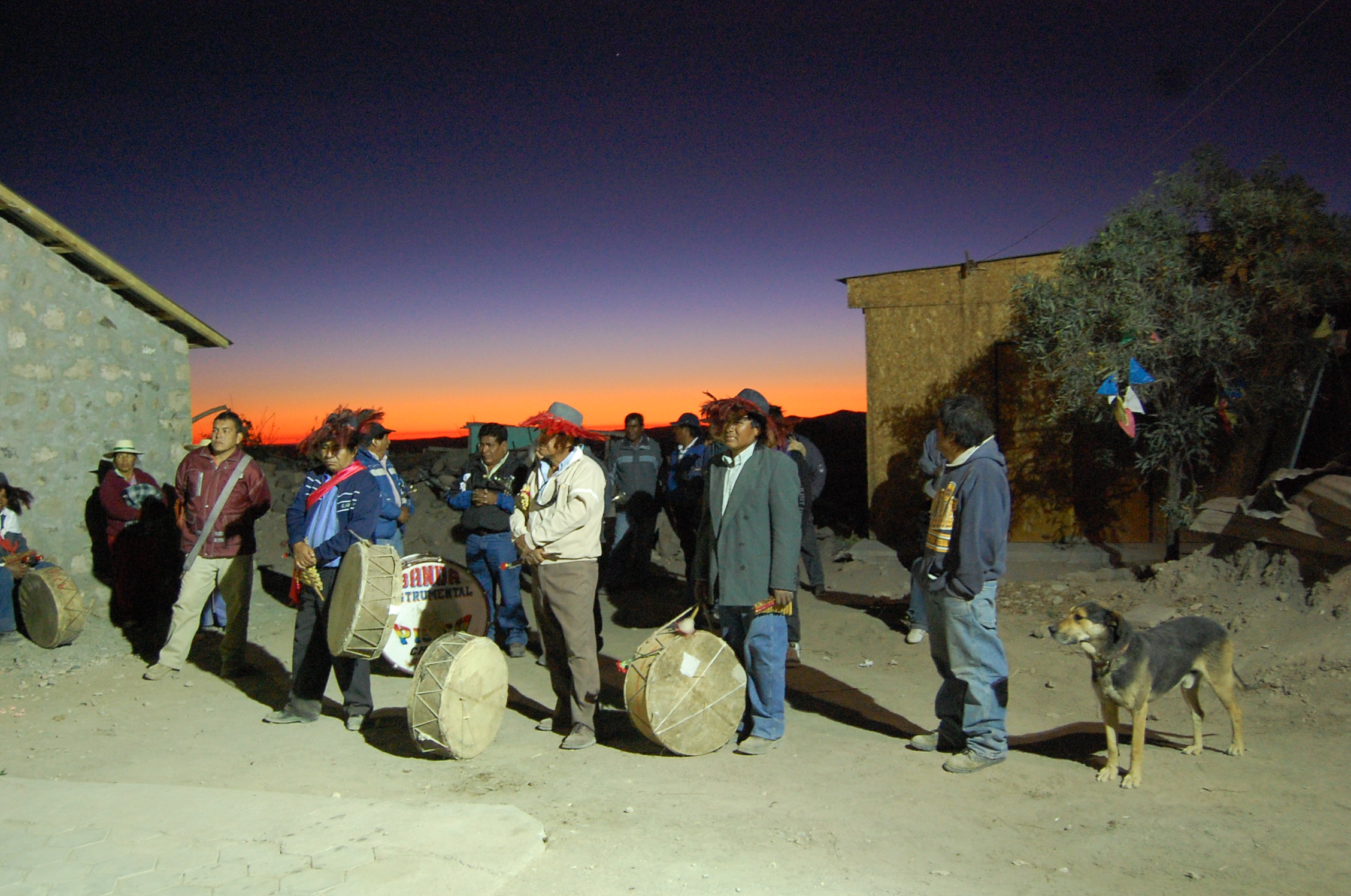
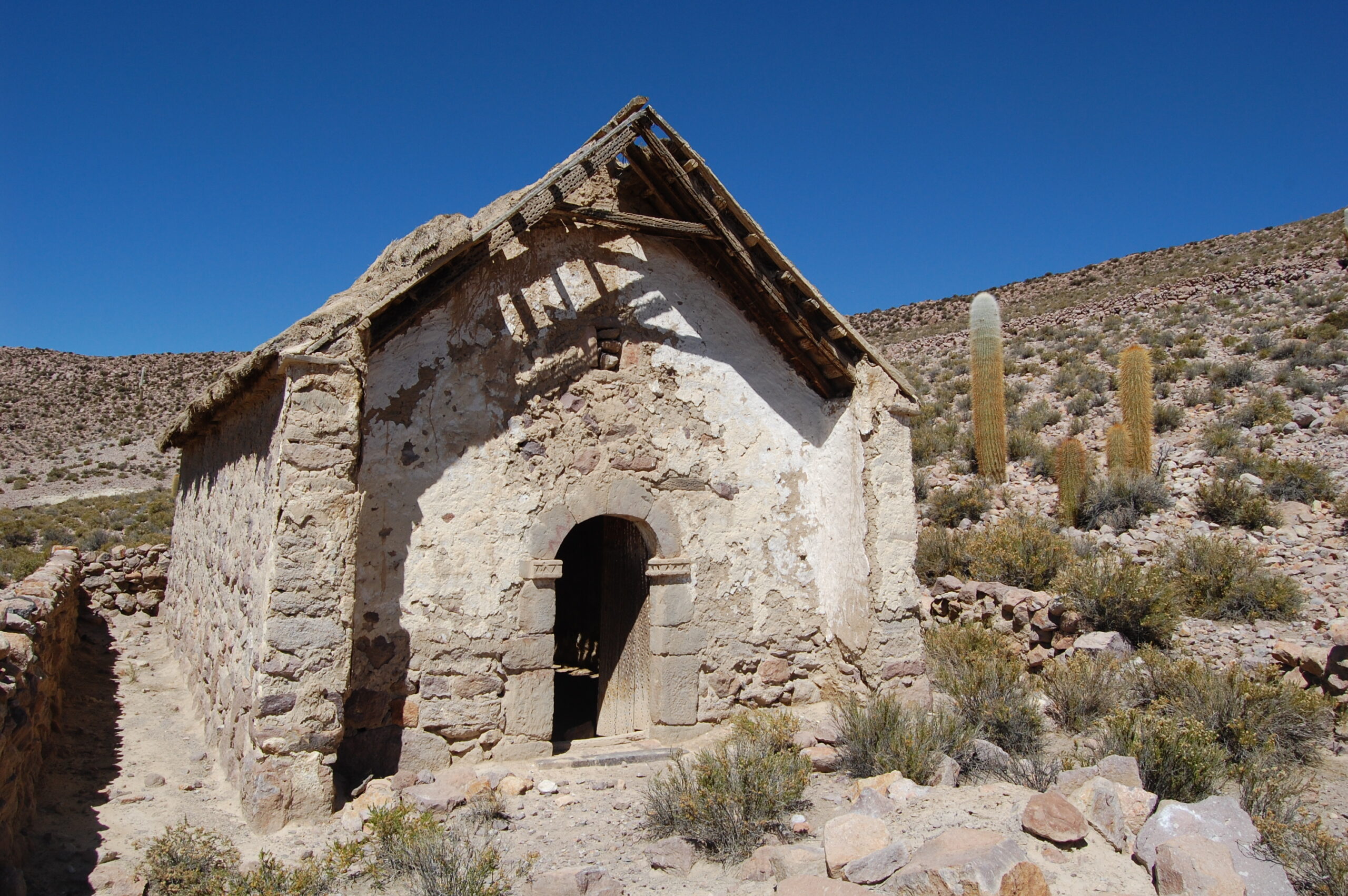
This is a summary of our latest expedition in February, which covered a sizeable portion of Chile’s geography. Santiago’s vibrant cultural life, picturesque Valparaíso, and Viña del Mar’s charming seaside outlook offered many opportunities to explore and learn about Chile’s history, politics, and social life. We visited the Pre-Columbian Museum of Art, located near Santiago’s Plaza de Armas. This museum has a carefully curated collection of artifacts that are both of great aesthetic value and help understand the indigenous foundations of all Latin American societies, including Chile. The National Museum of Fine Art is another jewel we enjoyed. Roberto Matta’s surrealist works, and an exhibition dedicated to queer artist and writer Pedro Lemebel, are testimony to Chile’s rich cultural scene. In that regard, on this trip, we did a “Neruda Trifecta”, as we were able to visit the Nobel laureate Pablo Neruda’s three houses/museums (Santiago, Valparaíso, and Isla Negra), recreating the poet’s life, collections, and themes that inspired his literary and public life. The Atacama Desert, located in northern Chile, was the next stage in this adventure. The city of Calama, Chile’s most important mining enclave, is a key site to grasp both the impact of mining on the Chilean economy and the particular miner’s culture it creates. In sharp contrast, San Pedro de Atacama is an oasis that features a fascinating mix of indigenous Likan Antai communities, global travelers, and a growing scientific community. In direct connection to the latter, we took an astronomy tour at San Pedro de Atacama Celestial Observations, an impressive site devoted to stargazing for both the general public and scientists. We also witnessed the barren immensity of the Salar de Atacama, which hides astounding lagoons where flamingos and other species gather. For millennia, indigenous communities have occupied and thrived in this rugged andino geography. The villages of Toconao and Socaire, located in high-altitude ecological niches at 10,000 feet above sea level, are testimony to an ancestral way of life that astounds for its vitality and its coexistence with the contemporary world. In sharp contrast to Atacama’s arid, high-altitude setting, the northern gate to Patagonia comprises lush green landscapes and the breathtaking encounter between the Andes and the sea. The Reloncaví fiord blends this encounter between mountains and the sea, amid fishing and peasant communities. We explored the fjord and visited villages like Cochamó that combine a maritime way of life with elements of the chilote culture from la isla grande de Chiloé.
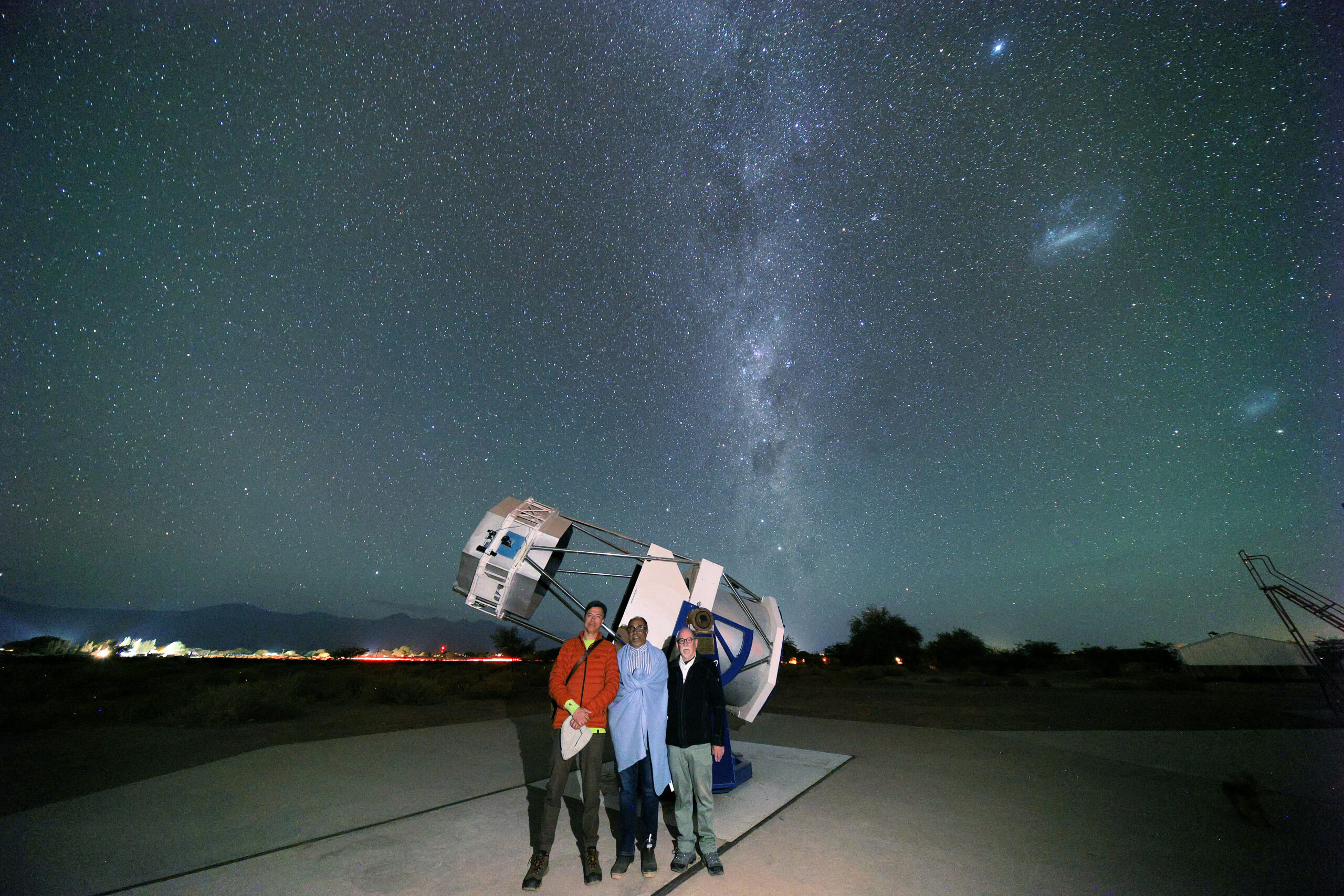
Nightsky during the astronomy tour at San Pedro de Atacama Celestial Observations. http://spaceobs.com
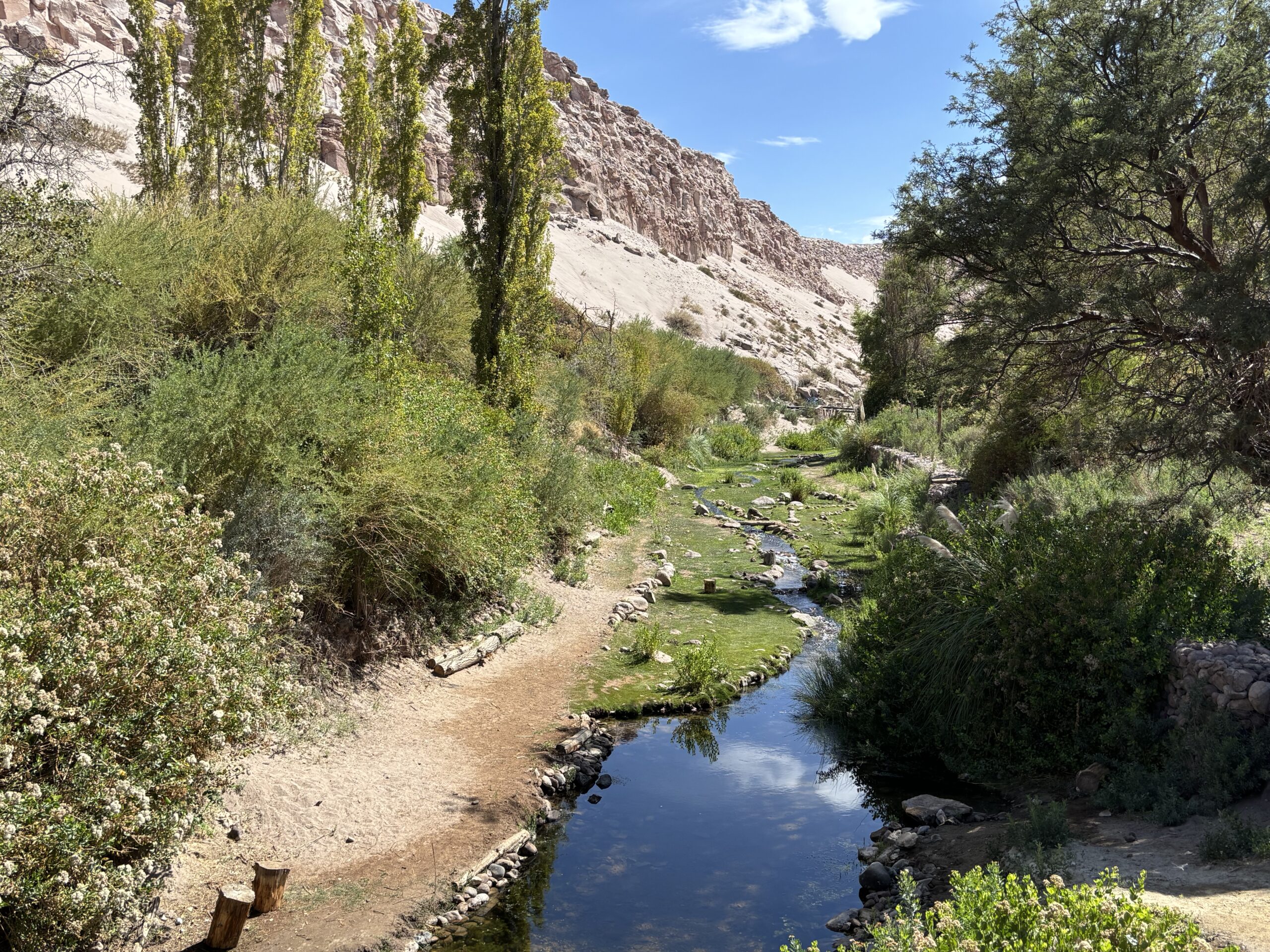
Quebrada de Jere, outside the indigenous community of Toconao (8,153 feet above sea level). A lush oasis and community-managed orchard that keeps at bay the arid landscape surrounding it.
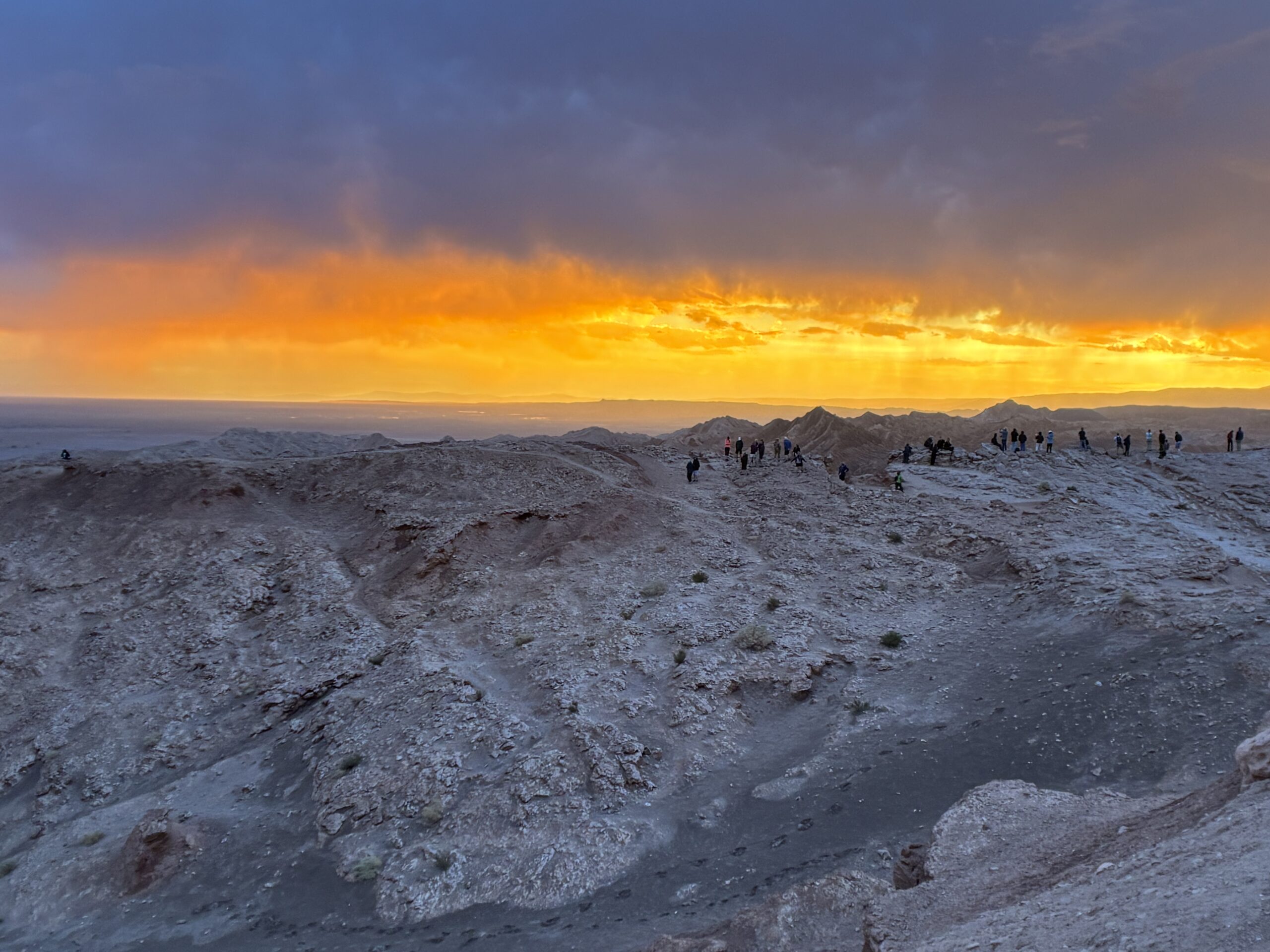
Sunset at Cordillera de la Sal, near San Pedro de Atacama.
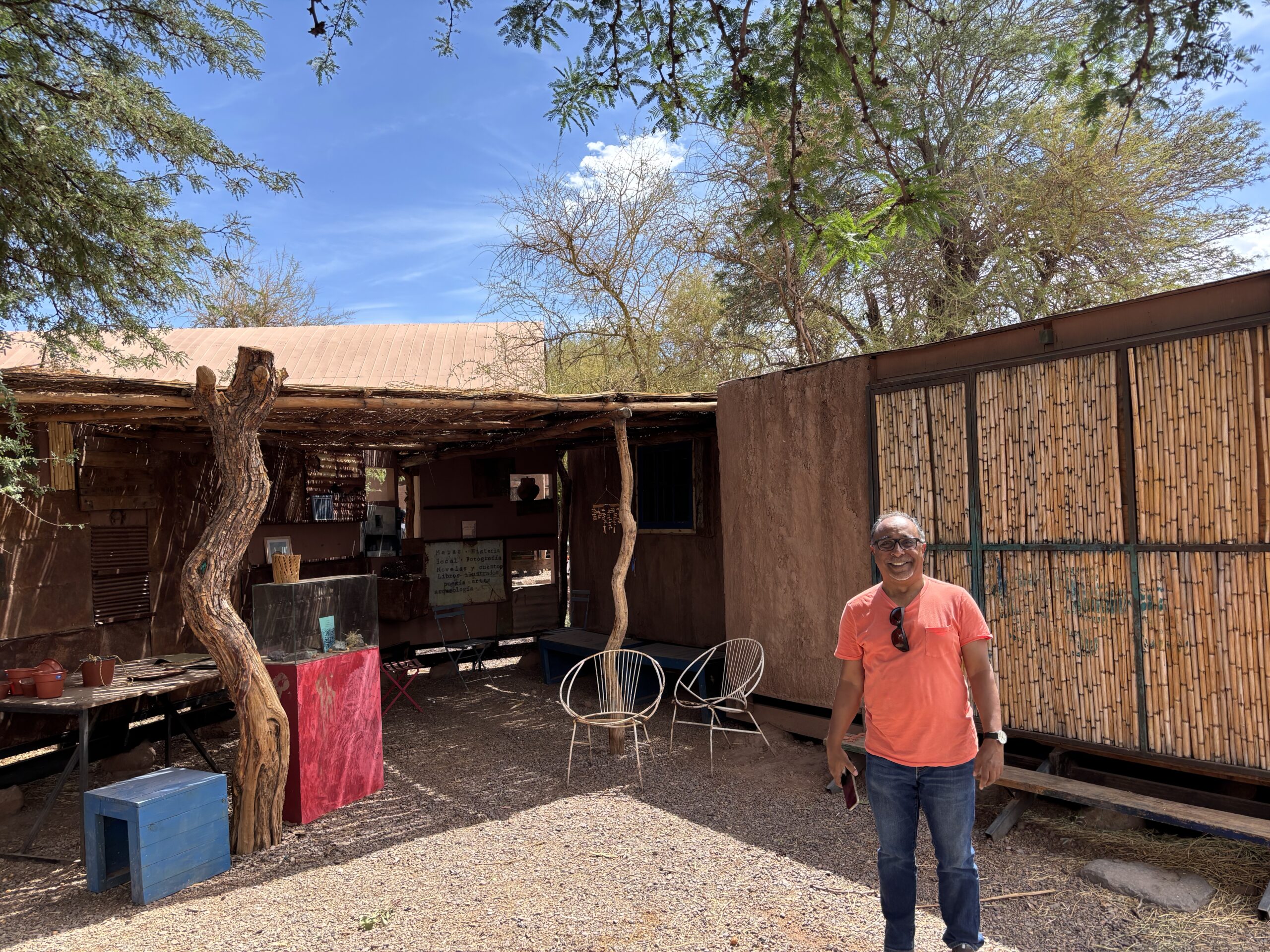
Visiting Librería del Desierto, a small bookstore and publishing house specializing in regional history, archaeology, Andean indigenous cultures, and local literature. Located in the Ayllu of Solor, on the outskirts of San Pedro de Atacama. A cool place worth checking out to expand our knowledge about Atacama and its people. https://www.edicionesdeldesierto.cl/
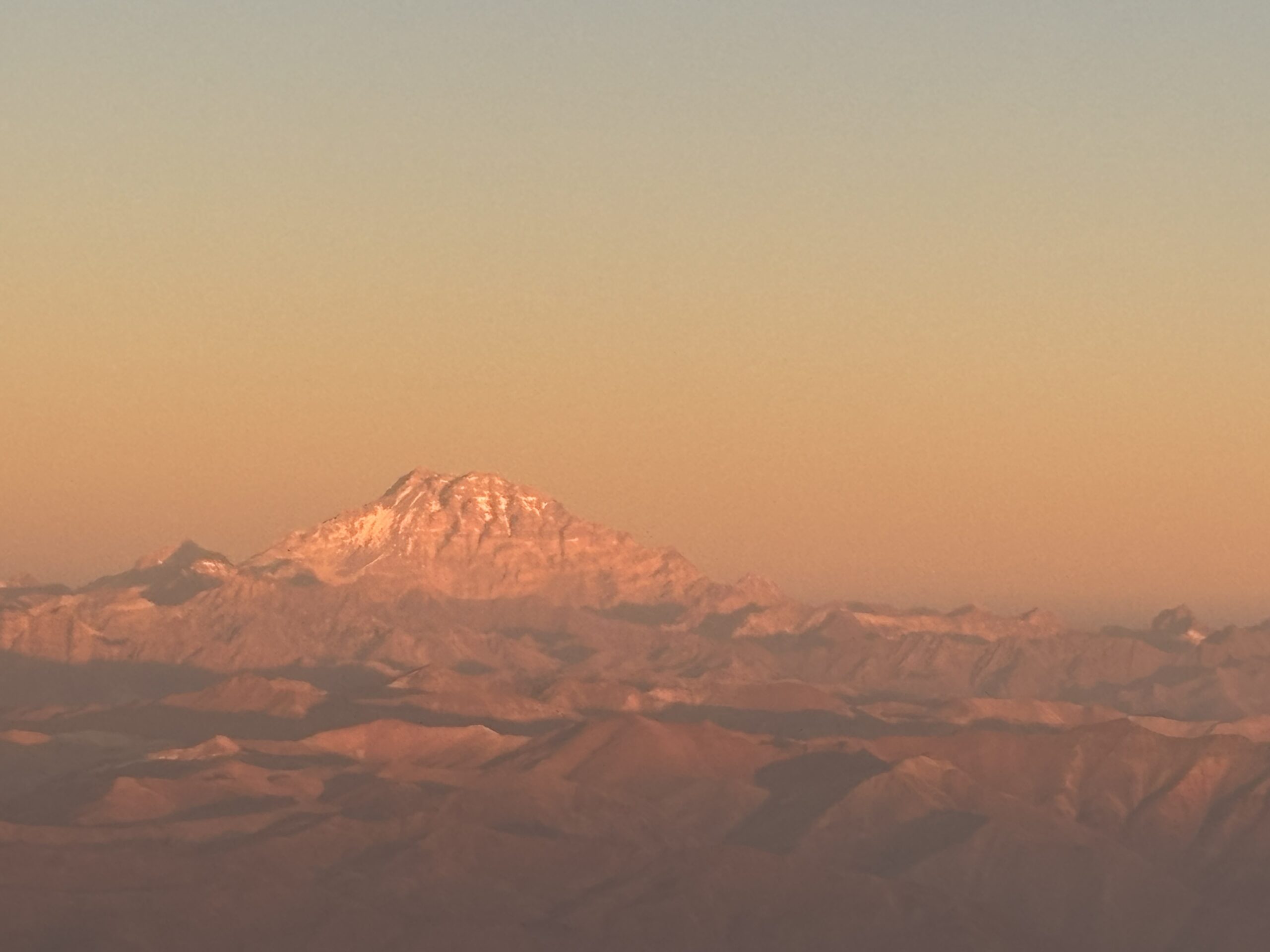
The mighty Aconcagua mountain. The highest peak in the American continent is 22,837 feet above sea level.
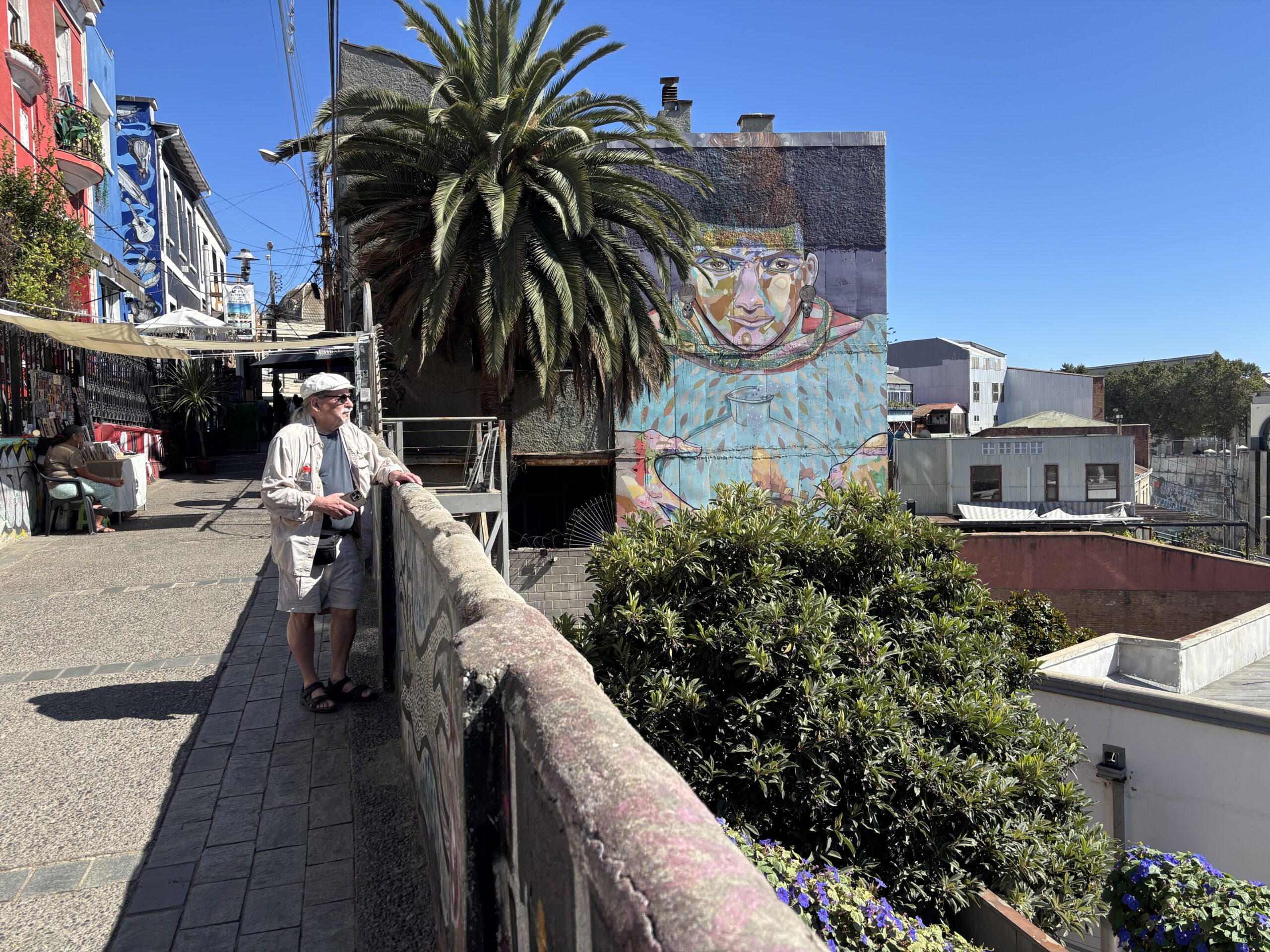
Stroll through one of the many promenades in Cerro Alegre, Valparaíso. Artwork, cafés, and funiculars lead the way towards La Sebastiana, Pablo Neruda’s house and museum.
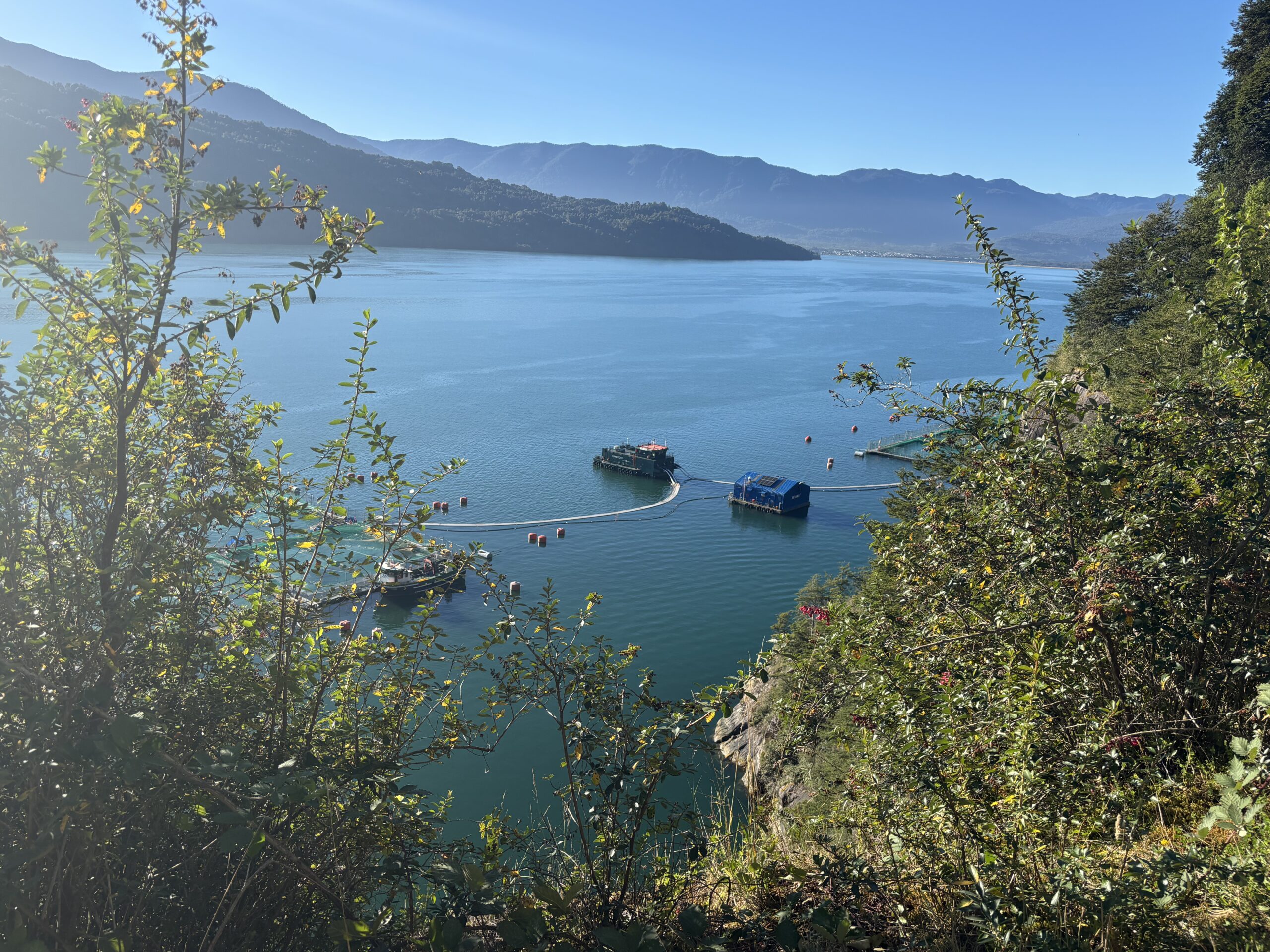
Salmon farming in the Comau fiord, near the town of Hornopirén.
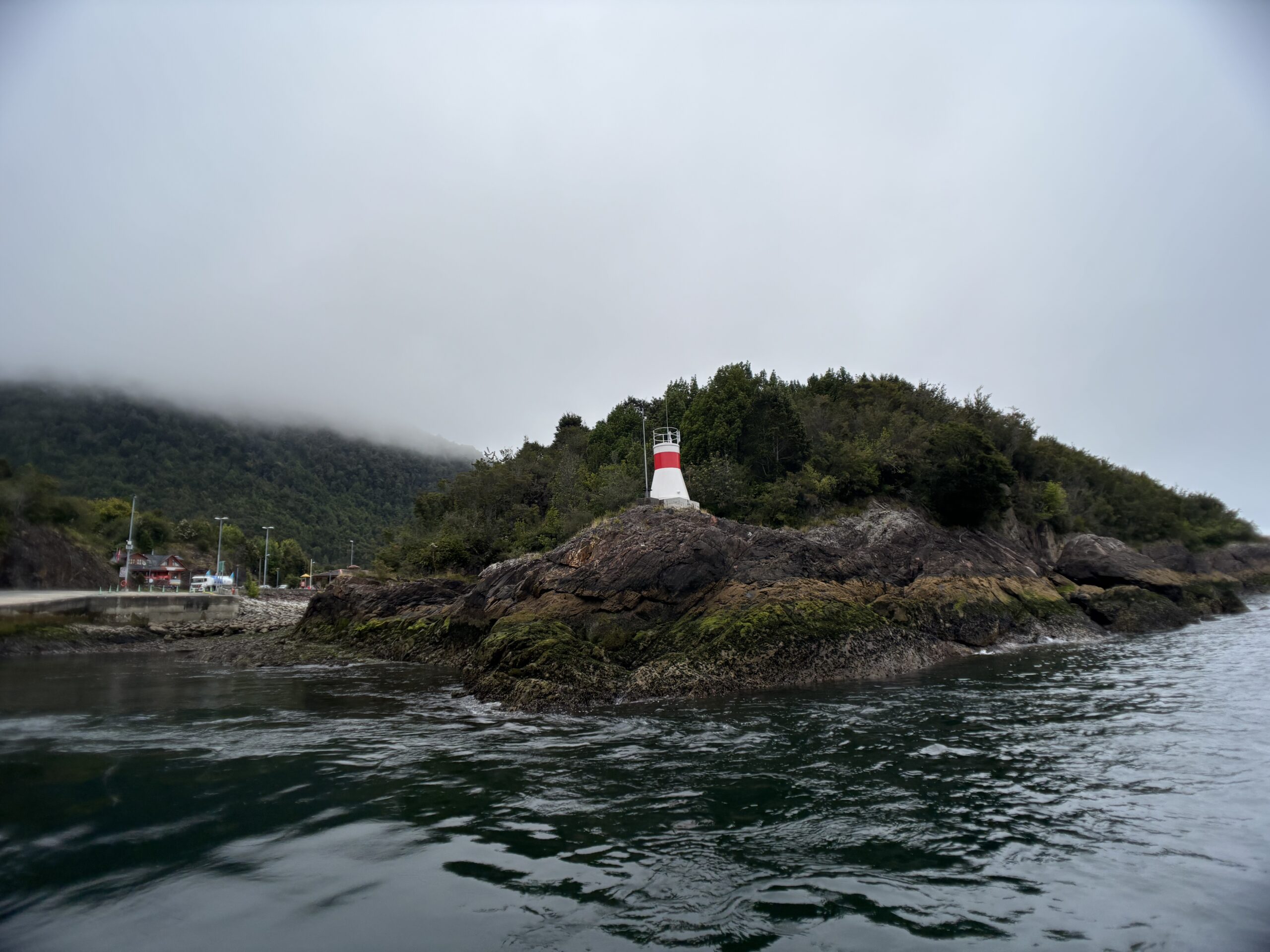
Puelche ferry ramp, carretera Austral continues its path through the vast greenness of Patagonia.
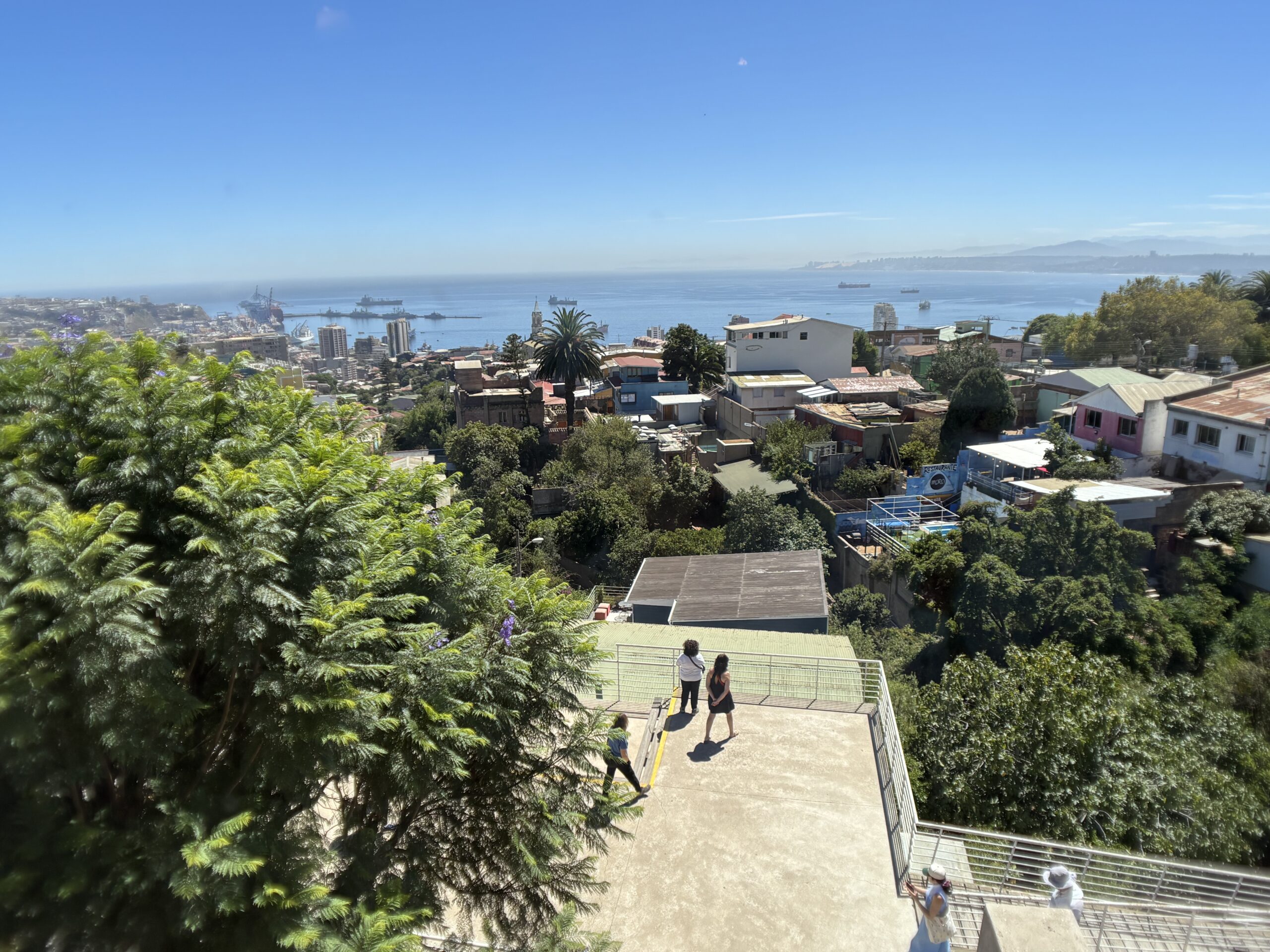
The port of Valparaíso from Pablo Neruda’s point of view. This magnificent vista of the port was a source of inspiration for Nobel Laureate Pablo Neruda. Walking through La Sebastiana, Neruda’s house/museum in Valparaíso, helps one better understand the poet’s oeuvre and themes, as well as his connection to Chile’s geography and human landscape.
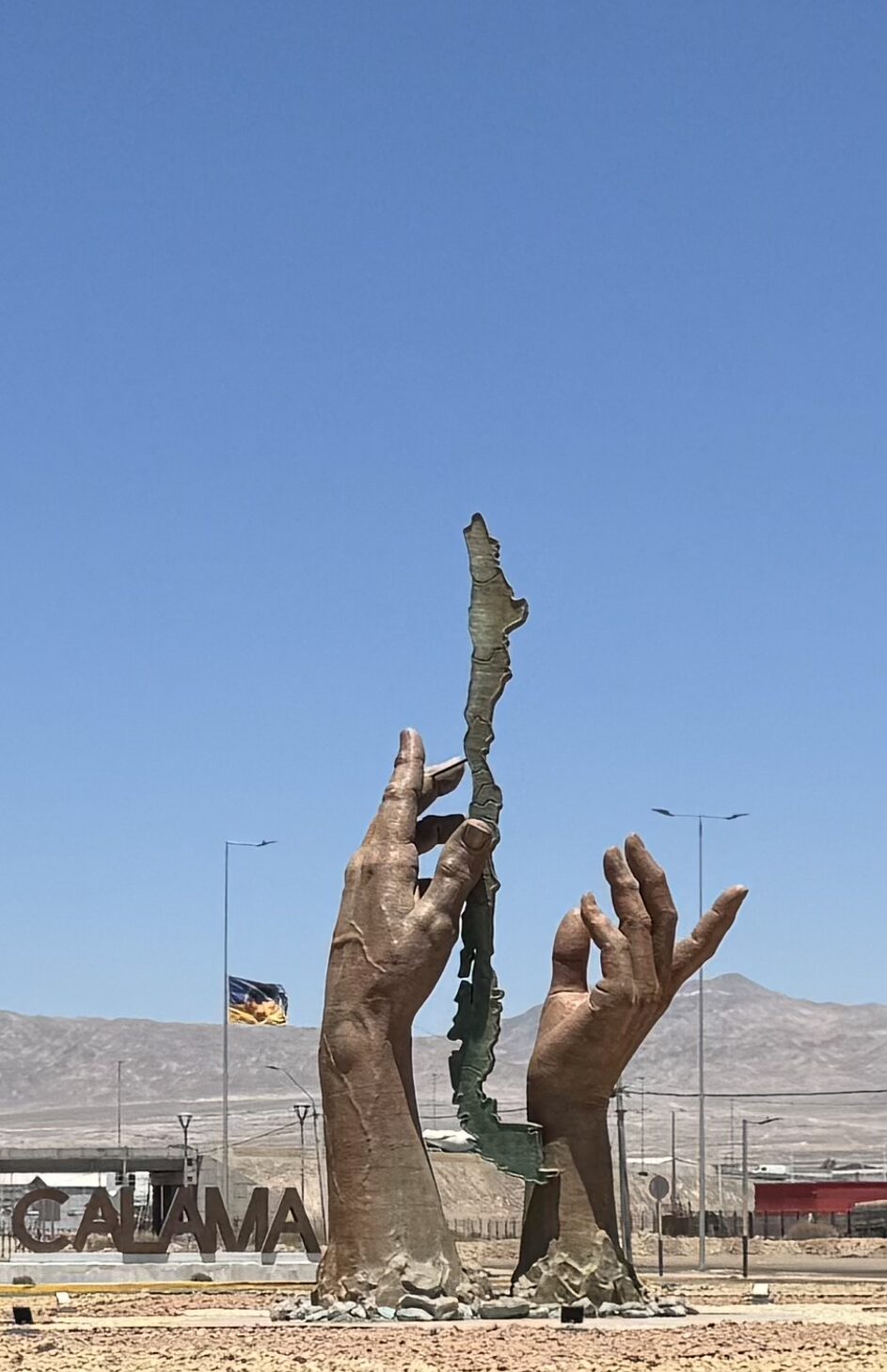
Our first encounter with the Atacama Desert took place in Calama. This mining enclave, mainly dedicated to copper extraction, is of enormous importance to the Chilean economy. This sculpture, a pair of copper-like hands holding the country, illustrates how mineral wealth sustains a large share of the national income.
.